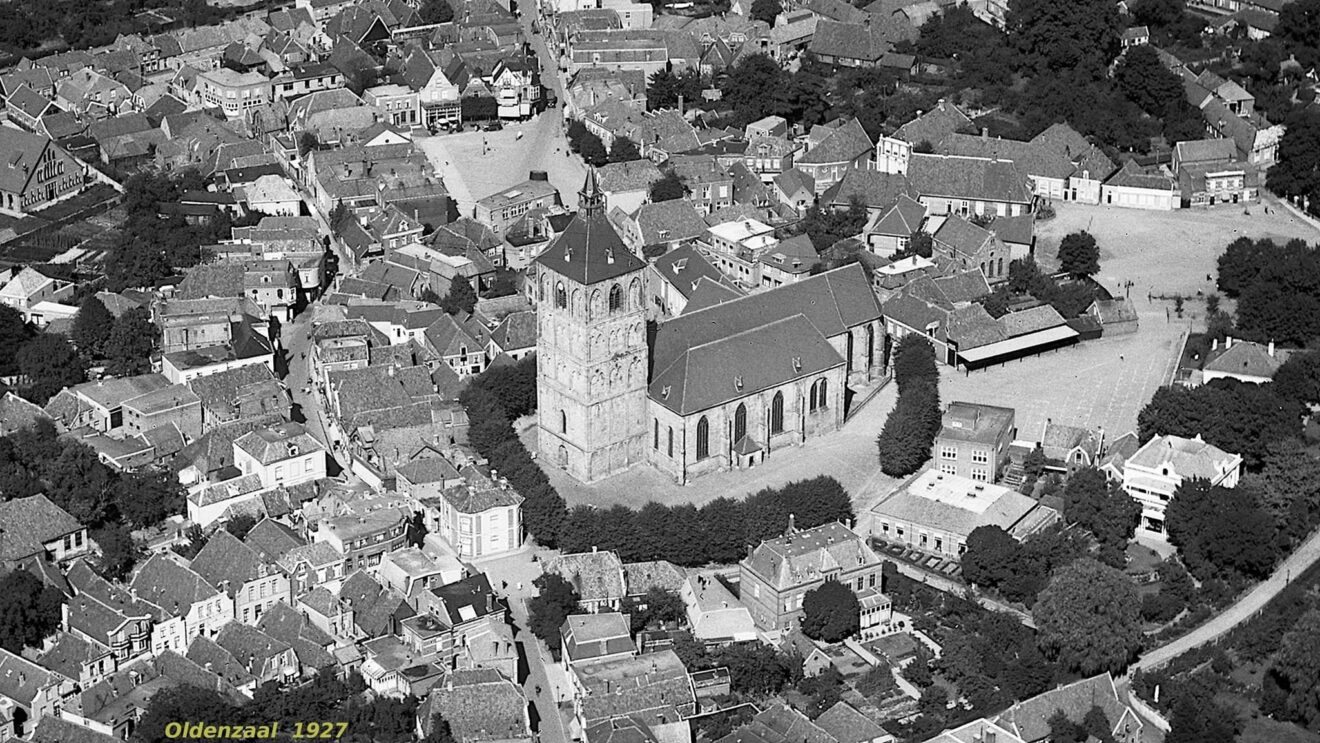
[Appeared in JSH, EPHJ 2024 edition] Tim and Bart, the Grönefeld brothers—watchmakers from northern Europe—are an independent brand steeped in Swiss tradition, tracing its roots back to a legend that began in Oldenzaal in 1896 with the birth of Gerhard Louis Grönefeld.
Joël A. Grandjean, JSH Magazine & Swiss-Watch-Passport.ch’s editor in chief
Follow us on Linkedin – Facebook – Insta JSH – Insta SWP – Subscribe to JSH
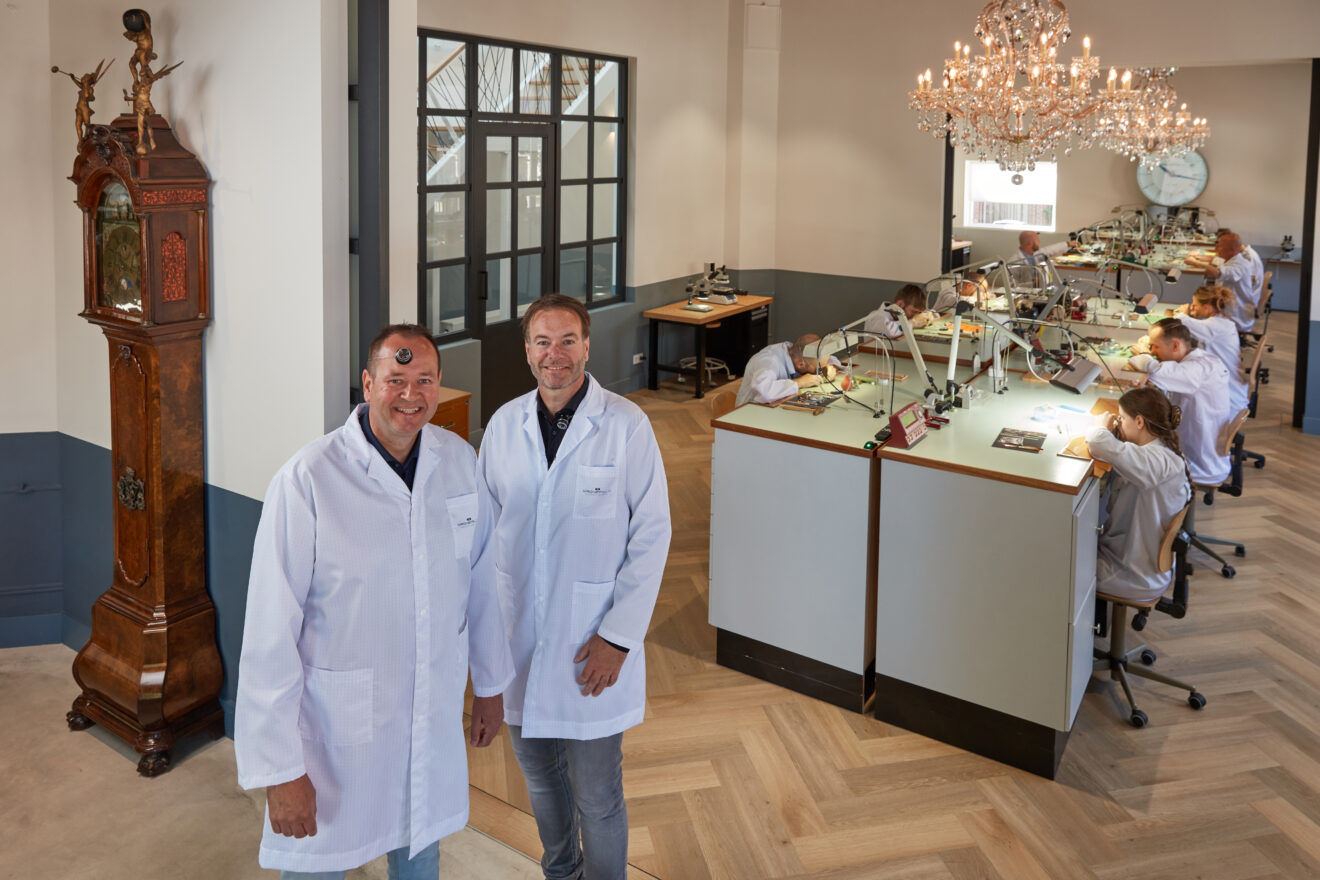
As former students of Wostep and employees of Renault & Papi, these sons of Johannes Grönefeld – alias ‘Sjef’ – are brilliantly continuing the family legacy from this small town in the Netherlands, just two hours from Amsterdam: they regularly win awards at the Grand Prix d’Horlogerie de Genève and welcome their international clients to the exclusive surroundings of Watches & Wonders.

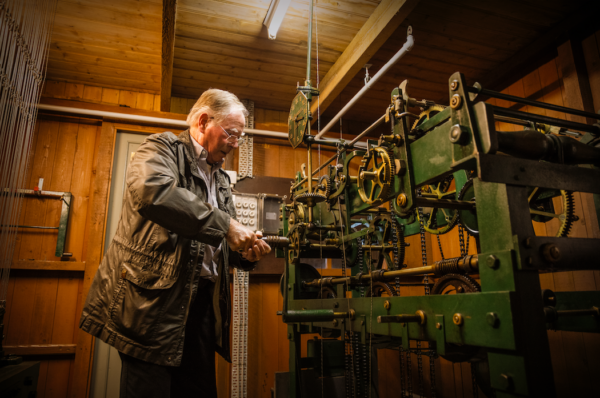
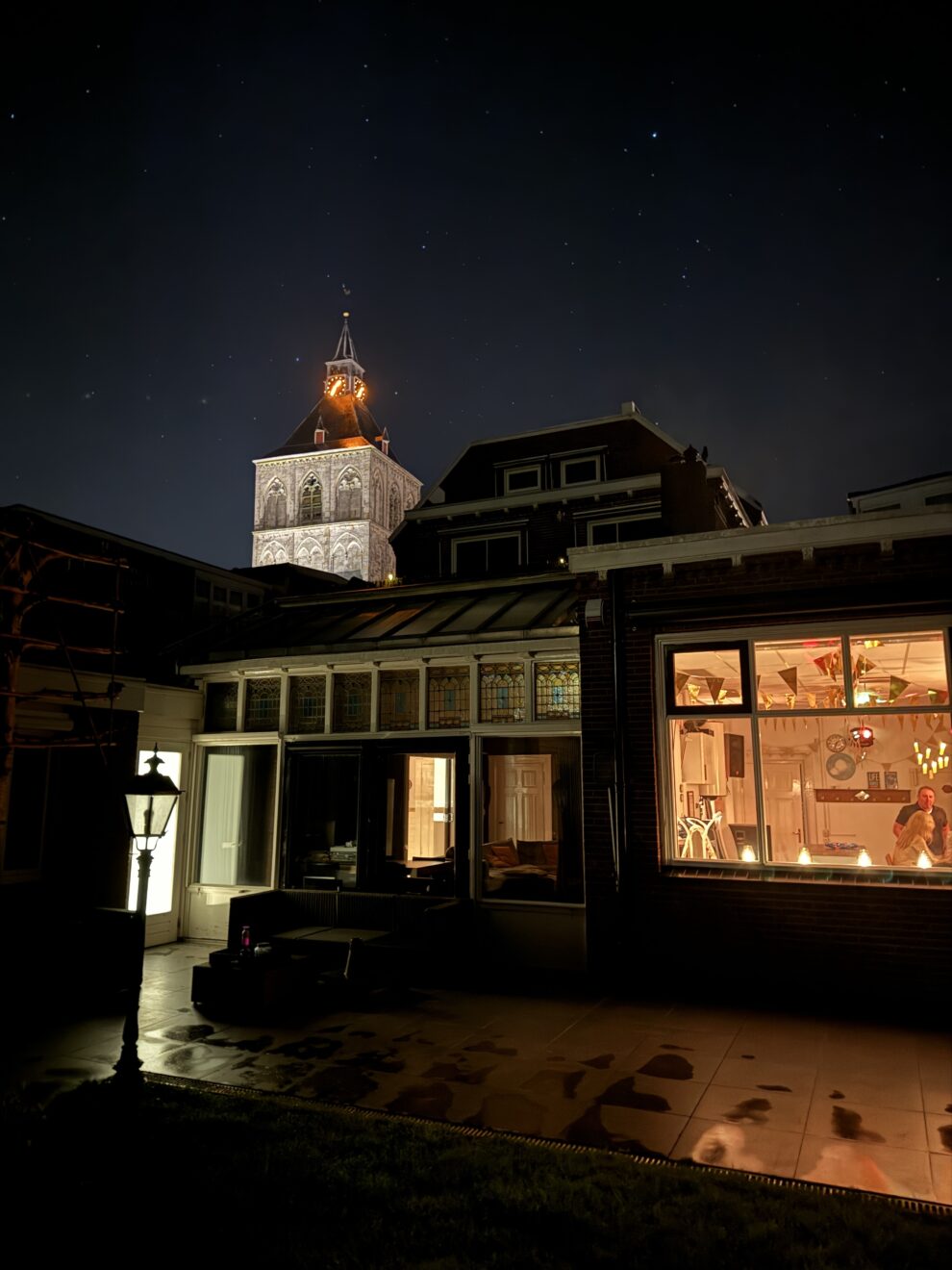
Less well known is that at night, at least twice a year between 2 and 3 am, Bart or Tim engage in an activity that is surprising to say the least: setting the imposing bell tower clock of Oldenzaal Basilica—located just a stone’s throw from the workshop—to summer and winter time. “Our grandfather Johan Grönefeld used to look after the maintenance of the movement. Our father, Sjef, born in 1941, helped out from the age of 12… As children, we always followed our father’s lead, and he is now teaching us everything there is to know about this movement.”
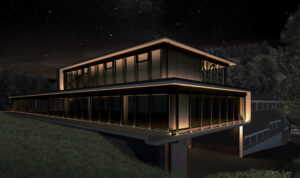
The St. Plechelm Basilica at night, viewed from Bart Grönefeld’s garden. Built around 1150 from Bentheim sandstone in the Westphalian Romanesque style, its bell tower was added to the church around 1240. Around 1480, the south aisle, originally Romanesque in style, was extended and given a Gothic appearance. After 1500, the sacristy was built and the chancel extended, again in the Gothic style. Brightly lit at night, the clock on its bell tower…
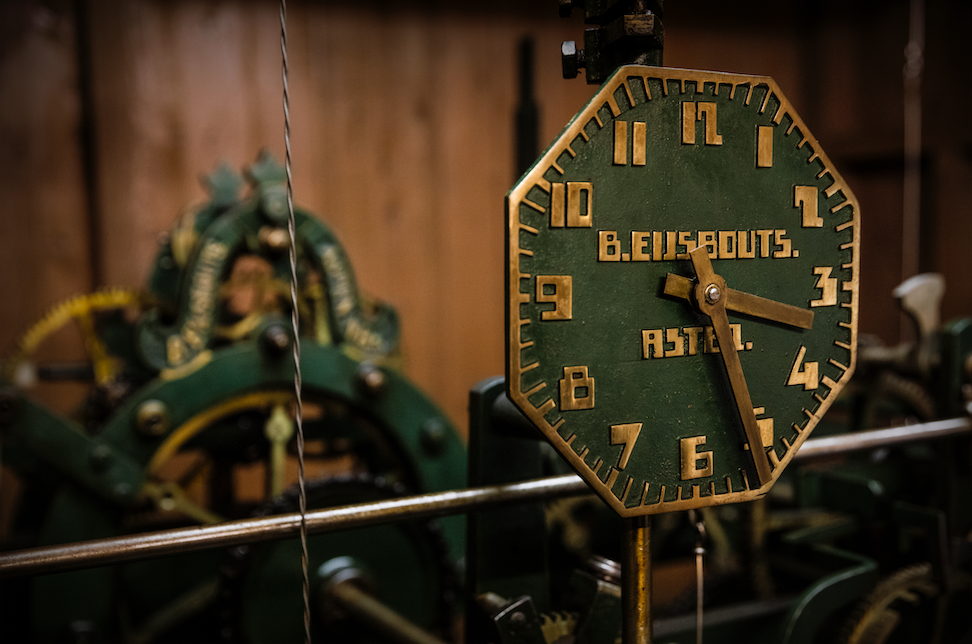
A monumental clock from 1913, manufactured by Eijsbouts in the south of the Netherlands. “It is fitted with a 30-second winding mechanism and a striking mechanism for the half-hours and hours. It also sends an electrical signal to sound a chime every 15 minutes. It also sends an electrical signal for a chime every 15 minutes. At night, the carillon falls silent, but the striking of the hours and half-hours continues,” explains Bart.
.
We go up to the belfry once or twice a week to wind the clock.»
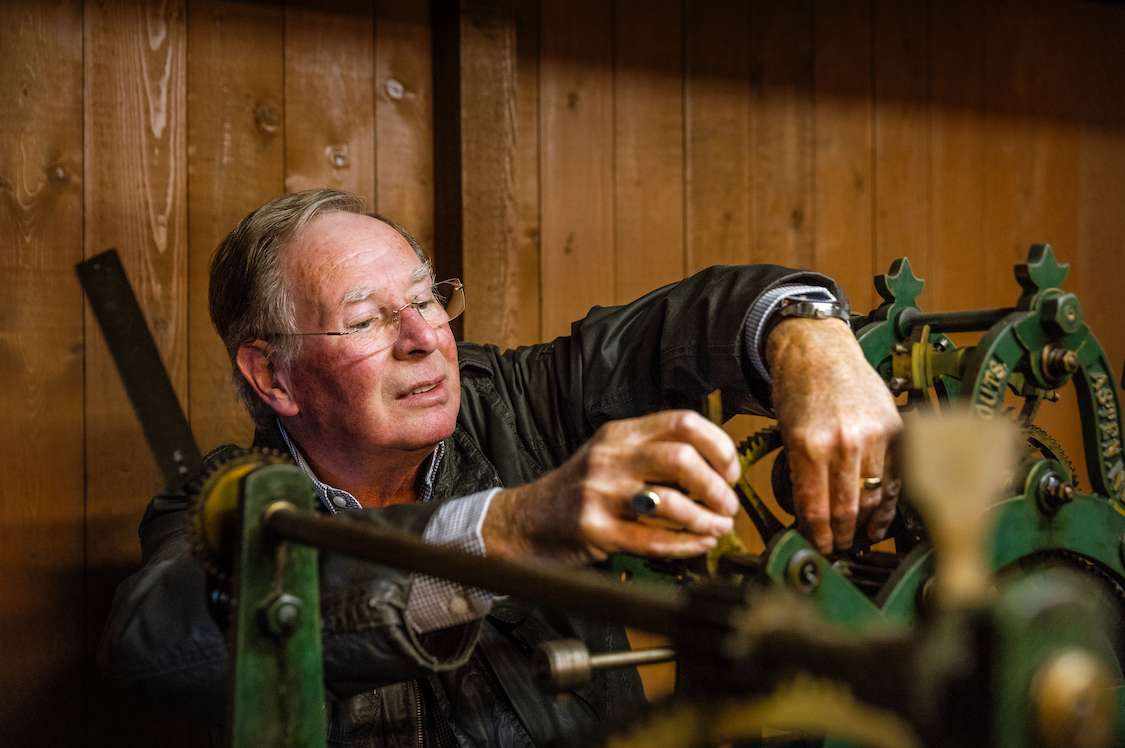
As for the changeover to summer or winter time, “this must take place between 2 and 3 o’clock in the morning, as the dial and hands are clearly lit”. And it seems unthinkable that the residents of Oldenzaal, even in the middle of the night, could do without their time reference for even a single minute!